Faithful Innovation: Lessons from the Tension of Saving Souls and Saving Lives
By Thad Hicks | How can Christians respond to disaster with both compassion and conviction? This article explores the tension between evangelism and humanitarian aid, drawing on both fieldwork with The Salvation Army’s Emergency Disaster Services and traditional research. Discover how faithful responders balance saving lives and sharing Christ, not as competing tasks, but as an integrated part of their witness. As the world changes, the integrated witness must also adapt and innovate so that the witness is present and relevant in both word and deed.
EMQ » April – May 2026 » Volume 62 Issue 2
Summary: How can Christians respond to disaster with both compassion and conviction? This article explores the tension between evangelism and humanitarian aid, drawing on both fieldwork with The Salvation Army’s Emergency Disaster Services and traditional research. Discover how faithful responders balance saving lives and sharing Christ, not as competing tasks, but as an integrated part of their witness. As the world changes, the integrated witness must also adapt and innovate so that the witness is present and relevant in both word and deed.
By Thad Hicks
The command of Christ is unmistakable: “Go and make disciples of all nations” (Matthew 28:19). Spoken on a Galilean hillside, this commission has propelled the Christian church for over two millennia. Across oceans and borders, through wars, disasters, and political upheaval, Christians have taken up this charge, bearing witness to the Gospel and embodying the love of Christ in tangible ways. They have entered unfamiliar lands with words of hope, food for the hungry, shelter for the displaced, and healing for the wounded.
Throughout history, proclamation and compassion have walked hand in hand. From leprosy colonies to refugee camps, Christians have long embodied the gospel through both proclamation and compassionate service. Whether digging wells, building clinics, establishing schools, or mourning with those who suffer, Christians have been there. This integration of word and deed is a defining feature of evangelical mission efforts.[i]
Yet with each new disaster, conflict, or crisis, a familiar tension reemerges that missiologists, field workers, and theologians must continually navigate. When a hurricane flattens a city, when war drives families from their homes, when drought grips a forgotten village, we are forced to ask hard questions. How do we proclaim Christ during trauma? How do we serve with urgency while also safeguarding dignity? Can the gospel be both proclaimed and embodied without being diluted or distorted?
I don’t believe that this is a tension that somehow undermines the mission but sharpens it. In a world marked by suspicion and suffering, the credibility of our message often hinges on the integrity of our presence. The Great Commission does not require us to choose between evangelism and mercy. It compels us to hold them together, even when the work is slow and complicated. We must continue to wrestle with what it means to go, not merely as messengers of truth, but as neighbors, listeners, and servants, faithful to Christ’s message and the example he set.
At the heart of Christian disaster response are two enduring, essential questions that shape our theology and practice:
- Can we truly save both souls and lives at once?
- Can a cup of cold water, offered in the name of Christ, also carry with it the message of eternal hope?
These questions are not rhetorical. They are the daily reality for those serving on the front lines of human suffering, where compassion and proclamation must coexist. For ministries focused on disaster or crisis work, the tension between evangelism and humanitarian aid is not just theoretical. It is present in every distribution line, every emergency shelter, every whispered prayer with a grieving survivor.[ii] It lives when a chaplain stands with a broken family and must decide what to say, or whether to speak at all.
Drawing on research into the practices and theology of these ministries, this article examines how these ministries navigate the complex terrain of a dual-purpose mission. It examines the hard-won lessons from decades of disaster response. This work explores the intersection of spiritual urgency and human suffering. The credibility of our witness is not only determined by what we proclaim but also by how we conduct ourselves.
Among the findings are both cautionary tales and hopeful innovations. These are stories of communities transformed not merely through conversion but through sustained presence. They tell of strategies that elevate local voices and contextualize faith within culturally sensitive service. They describe training approaches that equip responders to discern when to speak, when to serve, and when just to be a shoulder to cry on.
Suppose the future of evangelism lies in ministries that speak to both body and soul. These ministries see no contradiction between feeding the hungry and proclaiming the Bread of Life. These insights offer more than reflection. They offer a roadmap that does not erase the tension but teaches us how to thrive within it. In this tension, we find a deeper faithfulness where the gospel is heard, seen, felt, and lived.
The Enduring Challenge: Balancing Word and Deed
At the heart of this tension lies a deep theological and missiological question: When disaster strikes, should Christians prioritize proclaiming the good news or providing immediate, tangible aid?
Recent field research, including a national survey of The Salvation Army’s Emergency Disaster Services (EDS) personnel across the United States, suggests that this is not merely a matter of individual conviction but an organizational reality.[iii] This study employed a descriptive research methodology using a survey instrument to explore the factors that enable or inhibit The Salvation Army’s Emergency Disaster Services (EDS) personnel in balancing the dual mandate of saving lives and saving souls. A census sample of 66 individuals, identified in collaboration with territorial EDS directors across the United States, represented all known personnel working in EDS roles. The survey comprised 28 questions, organized around six key domains of organizational theory. These included environment, strategy and goals, technology, social structure, organizational culture, and physical structure. Eleven of these questions were identified as independent variables and were compared against a single dependent variable that captured respondents’ self-reported primary focus of work. The instrument was vetted for reliability and content validity through expert review by EDS practitioners and approval by the Institutional Review Board of Asbury Theological Seminary. Data collection spanned one month, achieving a 77.27% response rate. Quantitative data analysis was conducted, applying univariate and bivariate statistical procedures to identify patterns and relationships between demographic, organizational, and attitudinal variables and the respondents’ approach to the double mandate.
Over 70% of the respondents from this study indicated that their primary focus during disaster deployments was not direct evangelism or spiritual care, but coordinating physical relief, food service, shelter logistics, transportation, and supply chain management. While prayer, chaplaincy, and compassionate listening are often integrated into these efforts, they are frequently overshadowed by the urgent tempo and logistical demands of large-scale disaster operations.
These findings reflect a broader missiological challenge. In moments of crisis, the sheer weight of human need often pulls practitioners toward deeds over words.[iv] It’s not hard to see why. When people are hungry, grieving, or traumatized, the most pressing form of witness may be a cool cup of water or a hot meal. And yet, if the gospel is entirely eclipsed by humanitarian action, the church risks offering compassion without calling, relief without redemption. In other words, to serve without pointing to the hope found in Christ is to risk hollowing out the very heart of the Christian mission.
The findings reveal that the way personnel balance spiritual care with logistical coordination varies significantly across the country. Geography, organizational culture, and leadership expectations emerged as primary factors influencing this dynamic. In some regions, leaders prioritize spiritual care, embedding chaplains or prayer teams in every deployment. In others, operational pressures, interagency coordination, or more secular public environments restrict overt expressions of spirituality. Consequently, many respondents expressed a sense of internal conflict, desiring to fulfill The Salvation Army’s holistic mission but feeling limited by role definitions, time constraints, or local norms. This research underscores the importance of adaptive leadership and contextual flexibility, ensuring that both components of the mission can be honored without compromising operational effectiveness or cultural sensitivity.
These findings raise vital questions for those in mission leadership and training. How do we equip workers to maintain theological clarity amid logistical complexity? How do we ensure that word and deed remain integrated, rather than siloed or even competitive? And how do we create organizational cultures where the proclamation of Christ is not an afterthought, but a steady undercurrent in all we do, even when the work is chaotic, emotionally exhausting, or externally scrutinized?
If the mission in a crisis setting is to remain distinctively Christian, it must continue wrestling with these questions. It should be done not with defensiveness, but with humility and wisdom.
Fruitful Practices: Embodied Witness and Holistic Ministry
Despite the real and enduring challenges of balancing word and deed, many individuals working in more humanitarian-focused ministries model a deeply faithful and embodied witness. This bears fruit not through formulas or force, but through presence, patience, and creativity.
Four fruitful practices emerged from the research, offering a look at what effective, integrated ministry can look like amid chaos. These practices were relational ministry, contextualization, integration, and empowering local leaders.
These were identified inductively through analysis of both the quantitative survey responses and the open-ended qualitative data. While the structured portion of the survey captured statistical patterns related to role prioritization and organizational dynamics, it was the open narrative responses and follow-up commentary that revealed deeper themes about how personnel live out the dual mission in practice. Respondents described in rich detail how authentic relationships, cultural sensitivity, and collaboration with community members enabled them to meet both spiritual and physical needs in meaningful ways. It became evident that effective ministry amid disaster does not depend on rigid programming, but rather on a posture of presence and adaptability. These practices were not simply techniques. They were markers of faithful improvisation within complex and often constrained environments. Together, they form a portrait of what integrated, holistic ministry looks like when shaped by humility, discernment, and a commitment to the whole person.
In relational ministry, workers often begin by building authentic relationships rather than rushing to deliver a verbal message. Trust is earned through consistent care, reliability, and a genuine interest in people’s lives. When survivors ask why the responders have come, doors naturally open for deeper spiritual conversations rooted in mutual respect.
Contextualization means that faith is not shared through imported slogans or rigid scripts. Effective personnel understand the importance of cultural sensitivity and adapt their language and approach to each unique setting. The gospel is communicated through listening ears, compassionate gestures, and contextually appropriate dialogue.
Integration means that words and deeds are not segregated. The most impactful personnel reject any artificial division between service and witness. For them, acts of compassion are not distractions from evangelism. They are moments of sacred testimony. Every meal handed out, every tarp secured, every prayer whispered at a cot-side carries the potential to point to Christ.
Fruitful teams do not see themselves as the centerpiece of the mission. Instead, they identify, support, and equip leaders from within affected communities—individuals who can sustain both the physical recovery and the spiritual ministry long after the disaster fades from headlines. This approach fosters continuity and authenticity.
These practices affirm that Christian mission cannot be neatly compartmentalized into evangelism on one side and social work on the other. They are two expressions of the same gospel impulse: love God and neighbor with heart, soul, mind, and strength. One ministry acquaintance of mine said, “We don’t preach despite the disaster. We preach through the disaster by what we do and how we do it.”
Innovation and Creativity: Adapting for Impact
The complexity of today’s disasters demands more than tradition. It calls for Spirit-led innovation. In recent years, I’ve watched crisis ministry teams respond with a range of creative approaches, including the use of technology, micro-contextualization, and innovative partnerships. These approaches honor their dual commitment to word and deed.
Technology Integration is vital in today’s world. Disaster response doesn’t end at the distribution site in the digital age. From virtual chaplaincy platforms to online prayer request systems, ministry teams can use technology to meet people where they are, offering timely, accessible, and deeply personal spiritual care.
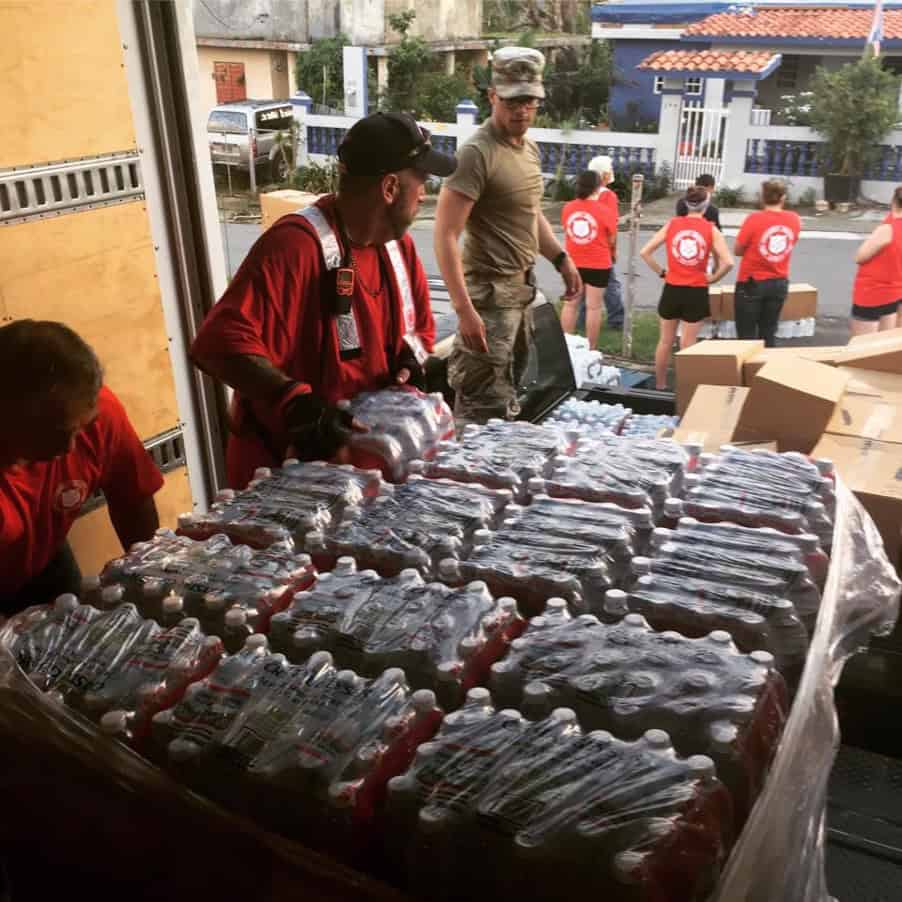
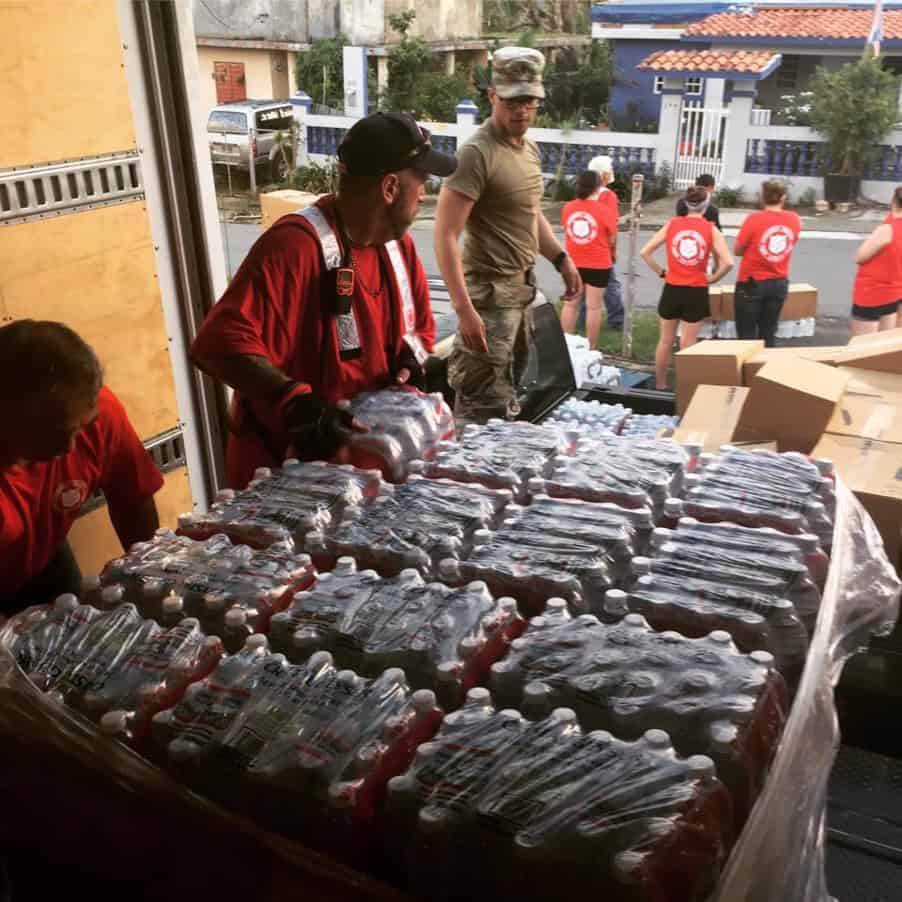
Some teams have transformed mobile food kitchens into spaces of conversation and prayer. Others have used community clean-up sites as informal pastoral zones. These micro-contextual initiatives demonstrate how spiritual and physical care overlap organically, especially when workers remain attuned to the Spirit’s prompting.
Forming partnerships with secular agencies, universities, local governments, and congregations expands the ministry’s reach. These collaborations enable a broader reach and more profound effect if Christ’s love remains distinct and uncompromised. In these partnerships, Christian witness often shines most clearly not through overt preaching but through integrity, humility, and consistent sacrificial love.
These innovations do not dilute the mission; they strengthen it. They reflect a missiology faithful to the unchanging gospel and flexible enough to meet the changing contours of human suffering.
A Call to Faithful Innovation
Theological clarity must be matched by organizational intentionality. Ministries cannot assume that an integrated witness will occur by accident. Instead, they must cultivate cultures reinforcing the sacred inseparability of saving lives and souls. This means training workers not just in logistics and crisis response, but in holistic ministry practices that reflect the character of Christ—patient, compassionate, and bold.
Ultimately, we are not merely aid workers or disembodied preachers. We are ambassadors of a Kingdom that tends to both body and soul. We are not called to resolve the tension between word and deed. We are called to dwell faithfully within it, bringing bread alongside the Bread of Life, clean water alongside the Living Water, and shelter alongside the shelter of God’s mercy.
AI declaration
An AI tool was used to assist with editing. It was not used to create content.
[i] Robert, D. L. (2009). Christian mission: How Christianity became a world religion. Wiley-Blackwell.
[ii] The Salvation Army Emergency Disaster Services, “Mission Statement,” accessed April 20, 2025, https://disaster.salvationarmyusa.org/
[iii] Thad Hicks, Survey on Evangelism and Service in Disaster Deployments (unpublished field research, 2025).
[iv] Heidi Unruh and Ronald J. Sider, Saving Souls, Serving Society: Understanding the Faith Factor in Church-Based Social Ministry (Oxford University Press, 2005), 121–123.
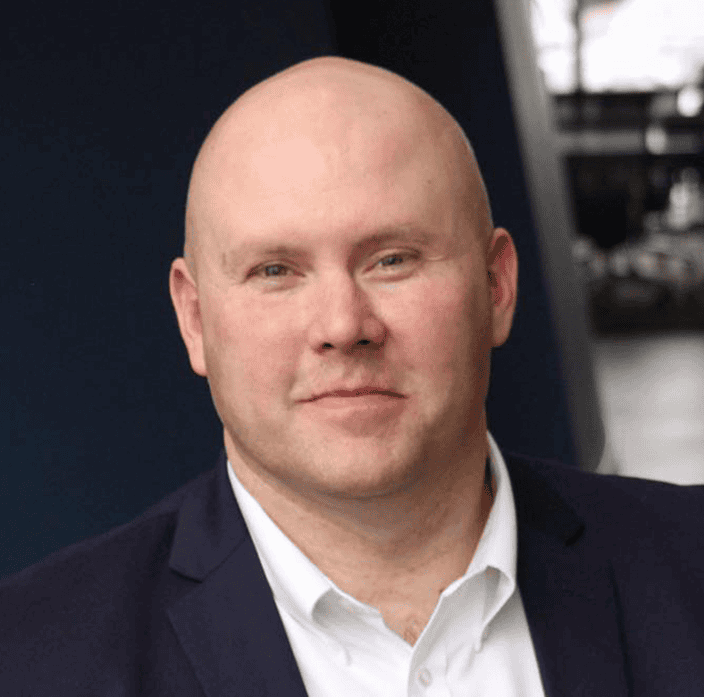
Thad Hicks is a professor of emergency management at Mount Vernon Nazarene University and a certified emergency manager with nearly 25 years of humanitarian and crisis response experience. Thad holds an MA in conflict transformation and a PhD in intercultural studies, with a focus on disaster and crisis ministry.
EMQ, Volume 62, Issue 2. Copyright © 2026 by Missio Nexus. All rights reserved. Not to be reproduced or copied in any form without written permission from Missio Nexus. Email: [email protected].