Proclaiming the Holistic Gospel: Communicating the gospel appropriately for people from diverse cultures in the US
By Soo Min (James) Park | The US, like many nations, is not a mono-cultural mission field. Beneath the surface, immigrant, refugee, minority, and younger generations live with shame-honor, fear–power, marginalization–belonging, and brokenness–wholeness (healing) dynamics that shape how they perceive sin, redemption, and identity. This article challenges churches to reclaim a holistic gospel – proclaiming forgiveness, restoring honor and belonging, conquering fear, and healing from brokenness and trauma – while building spiritual resilience for transformative discipleship in America’s complex cultural landscape. Although written with a US focus, its content is relevant to all contexts with diverse populations across the world.
EMQ » April – May 2026 » Volume 62 Issue 2
Summary: The US, like many nations, is not a mono-cultural mission field. Beneath the surface, immigrant, refugee, minority, and younger generations live with shame-honor, fear–power, marginalization–belonging, and brokenness–wholeness (healing) dynamics that shape how they perceive sin, redemption, and identity. This article challenges churches to reclaim a holistic gospel – proclaiming forgiveness, restoring honor and belonging, conquering fear, and healing from brokenness and trauma – while building spiritual resilience for transformative discipleship in America’s complex cultural landscape. Although written with a US focus, its content is relevant to all contexts with diverse populations across the world.
By Soo Min (James) Park
Despite a focus on guilt in US evangelism, many US residents are more affected by shame and fear. Their worldviews shape how they understand sin, redemption, and identity. Immigration is reshaping many communities. Digital culture is amplifying public shame among younger generations. Spiritual confusion is increasingly evident in many corners of the country. While there have been many successful church-planting endeavors and a long history of Christian influence, the US church often assumes that a guilt-focused gospel alone is sufficient. This assumption overlooks the spiritual needs of many immigrants, minorities, indigenous peoples, and even younger generations.
Missiologists, such as Jayson Georges, who highlights guilt-innocence, shame-honor, and fear-power, and Mark D. Baker, who focuses on honor-shame cultures, have shown how these dynamics affect people’s view of the world and their felt need for salvation.[i] These insights are just as relevant for the US context today. To effectively reach the lost and cultivate mature disciples in this diverse context, the US church must recover a holistic gospel. This gospel speaks to guilt with forgiveness, shame with restored honor, fear with Christ’s victory and power, marginalization with restored belonging, and brokenness with healing. This article examines the cultural mosaic of the US, urging churches to proclaim the fullness of Christ’s gospel. This is a message that brings forgiveness, restores dignity, overcomes fear, restores belonging to the marginalized, offers inclusion to the marginalized, and healing for brokenness, especially among neglected cultural groups.
Healing Shame and Restoring Belonging
Although guilt-innocence thinking has historically dominated American culture, shame-honor dynamics are deeply embedded in various US subcultures.[ii] These dynamics prioritize community reputation, relational harmony, and belonging over individual guilt.[iii]
Immigrant and diaspora communities, and younger generations influenced by digital culture, all exhibit strong elements of honor-shame worldviews. For instance, people from Latin America and Asia often interpret success, failure, and morality through a lens of communal reputation rather than having failed to obey God’s Law.[iv]
In Asian American families, identity is closely tied to family reputation and societal expectations.[v] In the Korean context, for example, a child’s professional achievement is often viewed not as a personal milestone, but as a public validation of the family’s collective dignity called “chae-myun.”[vi] Given this deep cultural regard for high collective standing, gospel presentations that highlight Jesus as the one who restores honor resonate powerfully. Presentations could be based on the father in the parable of the prodigal son (Luke 15:11–32) and Jesus’ encounter with Zacchaeus, where salvation brought both forgiveness and restoration of honor (Luke 19:1–10). Faith in these contexts is seen not only as an individual decision but as something that brings honor to the family or community, strengthening collective identity.
Latino and Hispanic communities operate with an honor framework shaped by familismo (loyalty and unity within the family) and respeto (respect for elders).[vii] Census data indicate that Hispanic households are more likely to emphasize collective family practices, such as regular shared meals, compared to non-Hispanic families.[viii] In such contexts, gospel narratives that emphasize belonging to God’s family and the honor of being united in Christ’s household (Ephesians 2:19) can resonate more effectively than abstract legal metaphors of guilt.
African American communities embody both honor and communal identity rooted in a long history of injustice and resilience.[ix] Biblical themes of restored dignity, reconciliation of divided groups (Ephesians 2:14–16), and the believers’ identity as “children of God” (1 John 3:1) speak directly to experiences of systemic marginalization. Many African American congregations highlight how Christ not only forgives sin but also restores dignity and affirms a new identity, which provides healing in contexts marked by historical oppression.[x]
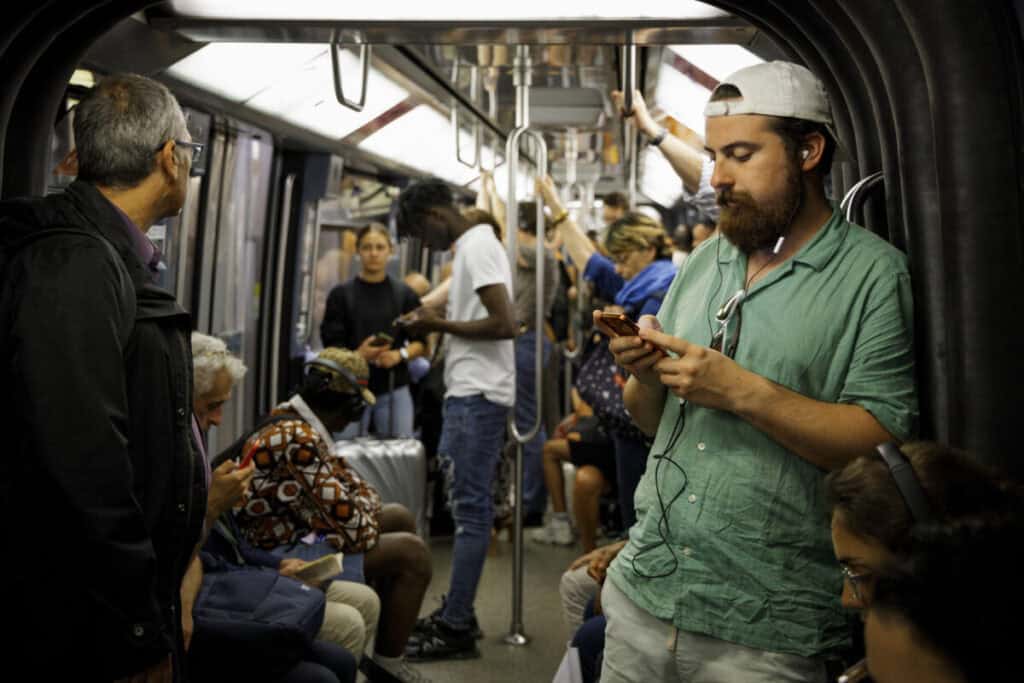
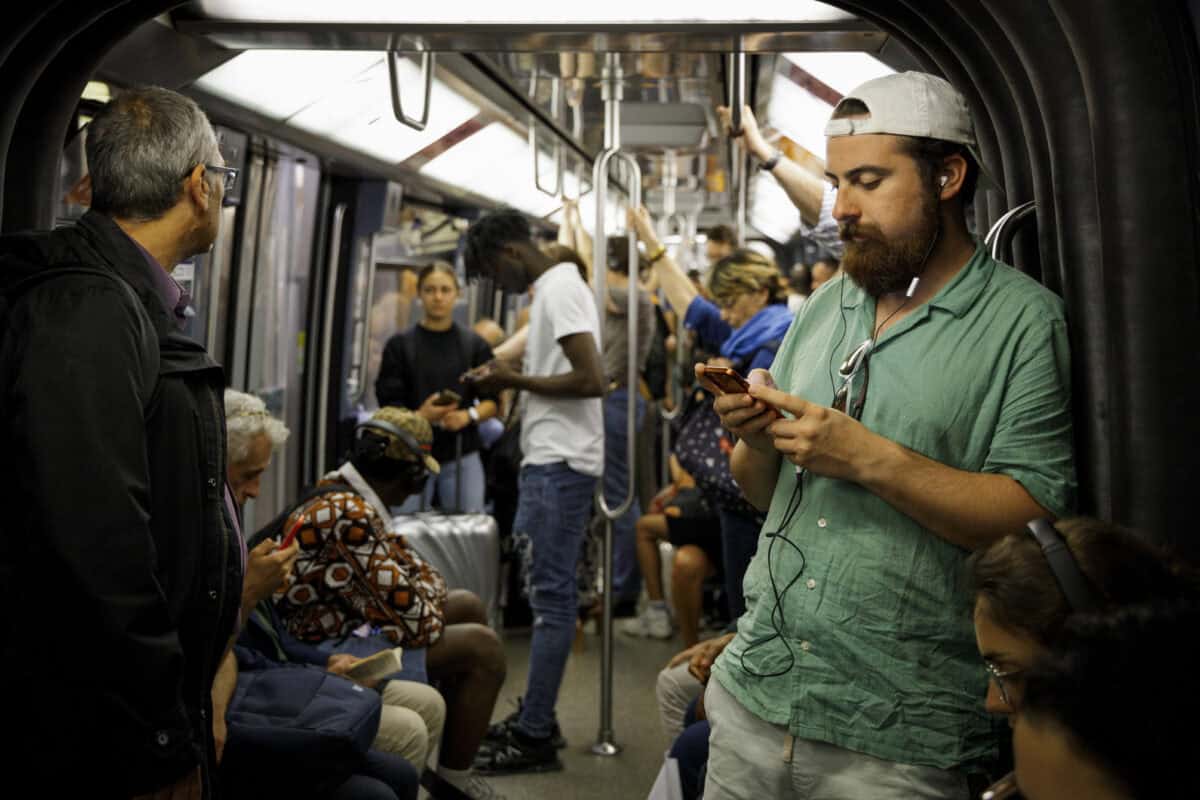
Digital culture and younger generations, especially Gen Z, reveal a modern form of shame-honor dynamics.[xi] Online reputation, public validation, and social media “likes” often define self-worth.[xii] Pew Research Center studies have consistently shown the significant impact of social media on teens’ well-being, including feelings related to social comparison and self-esteem.[xiii] In such settings, proclaiming that Jesus covers shame and grants an enduring identity provides a stable foundation for faith and mental resilience.
Children of immigrant families and multiethnic individuals represent another significant group shaped by competing cultural expectations. They have to strive to uphold the collectivist values of their heritage while navigating the individualistic ethos of mainstream American culture. This tension can produce feelings of shame when they feel they have failed one cultural side, alongside a deep longing for belonging that transcends dichotomized cultural categories.[xiv] The gospel’s message of restored honor and adoption into God’s family directly addresses these struggles, offering both a secure identity and a spiritual home where every believer is fully accepted (Ephesians 2:19).
Fear-Power Groups in the US
Fear-power worldviews are also prevalent in the US. These focus on spiritual forces, control, and the pursuit of protection.[xv] These dynamics often go unnoticed in mainstream Western theology but are crucial to evangelizing and discipling many communities.[xvi]
Native American communities maintain deep spiritual respect for ancestors, the natural world, and unseen forces.[xvii] Many traditional narratives emphasize the battle between good and evil spirits.[xviii] The gospel resonates more powerfully when Jesus is proclaimed as the Creator and victorious Lord who has defeated every spiritual force of evil (Colossians 2:15).[xix] He reigns over all creation, providing assurance against fear and offering true, lasting spiritual peace.
African and Caribbean diaspora communities (e.g., from Haiti, Cuba, Dominican Republic) often include those who have been influenced by Vodou, Santería, Palo Monte, or other African traditional religions.[xx] In these contexts, the message of Christ’s ultimate authority (Matthew 28:18) and his victory over curses and demonic powers directly confronts fears of spiritual retaliation and oppression. Broader studies on global religious practice often note the phenomenon of religious blending, suggesting that many individuals maintain a mix of Christian faith and traditional spiritual practices.[xxi] Such patterns highlight that addressing fear-power dynamics is essential for fostering transformational discipleship and effective outreach.
Occult, witchcraft, and New Age spirituality are also prevalent in the US. An increasing number of Americans hold beliefs such as reincarnation and ghosts. These views are particularly common among younger adults, who are more likely than their older counterparts to hold them.[xxii] A Pew Research Center survey from October 2024 found that 27% of US adults believe in astrology, and 30% consult astrology, tarot cards, or fortune tellers annually.[xxiii] In such contexts, demonstrating Jesus’ unmatched authority over all spiritual forces (John 8:36) and the freedom he offers becomes a powerful evangelistic witness.[xxiv]
Healing Trauma and Bringing Peace
Refugee populations from war-torn regions – such as the Democratic Republic of the Congo, Syria, and Afghanistan – often experience fear primarily shaped by trauma and instability (distinct from fear–power worldviews centered on spiritual threat).[xxv] According to the U.S. Department of Homeland Security data, tens of thousands of refugees from these regions are resettled annually. In 2023, the US admitted over 60,000 refugees, including many from the Democratic Republic of the Congo[xxvi] In these contexts, the gospel resonates by addressing Paul Hiebert’s “excluded middle” of present life crises and future uncertainty, presenting Christ not only as the forgiver of sins but also as the one who brings lasting peace, security, and the assurance of his presence amid suffering and instability (Psalm 46:13, John 14:27).[xxviii]
Likewise, many individuals within the US who have faced prolonged instability – whether through foster-care displacement, family fragmentation, or community insecurity – experience deep fears of rejection, abandonment, and harm.[xxix] These fears are carried into adulthood.[xxx] The gospel’s assurance that Christ never forsakes his own and that believers are secure in the family of God directly addresses these fears. Jesus offers both protection and belonging (Psalm 27:10).
Similarly, individuals facing severe mental health struggles may live under the weight of stigma, isolation, and fear of being misunderstood or abandoned.[xxxi] While mental illness can primarily manifest as a psychological or medical condition, it can also involve spiritual challenges or vulnerabilities that require holistic care. Regardless of its cause, the gospel powerfully affirms that those who follow Christ are fully accepted and loved by him. Reminding them that their identity is anchored in Jesus’ unshakable love and welcoming embrace can replace fear with hope and confidence. As Apostle John records in his first epistle, “Perfect love casts out fear” (1 John 4:18).
Ecclesiological and Missiological Implications
These hidden cultural dynamics have both ecclesiological and missiological implications. When churches rely solely on a guilt-innocence presentation of the gospel, they unintentionally fail to connect with large segments of the population who live under the weight of shame, fear, trauma, marginalization, and illness. For example, second-generation immigrant teenagers who feel ashamed for not speaking their parents’ language fluently may not connect with a message that focuses only on guilt and legal forgiveness. However, the gospel as a message of restored honor and belonging may resonate deeply with them. In this, Christ embraces them fully, gives them a new identity, and affirms that they belong in God’s family, regardless of the cultural expectations they’ve struggled to meet. When churches rely solely on a guilt-innocence framework, they overlook these deep cultural realities. Such oversight consequently weakens outreach efforts and results in shallow discipleship. Sadly, individuals shaped by different cultural dynamics may never encounter the gospel in ways that meaningfully speak to their core struggles.
To engage effectively, churches must recognize that the gospel, while centered on the forgiveness of sins through Christ’s atoning work, also proclaims the restoration of our identity as God’s people. It includes Christ’s triumph over sin, death, spiritual bondage, and demonic forces. These dimensions – addressing guilt, restoring honor, conquering fear, restoring belonging, and healing brokenness – are all rooted in the spiritual realities of Christ’s death and resurrection. The gospel calls sinners to repentance and faith, restores their honor as beloved children of God, delivers them from the fear of sin, death, spiritual bondage, and demonic forces, welcomes them into true belonging in God’s kingdom and family, and establishes stability, peace, and renewed hope through Christ. Churches that embrace this holistic vision can better communicate the fullness of Christ’s redemption, showing that the gospel speaks to every aspect of human brokenness and need, without ever diminishing the centrality of forgiveness through the cross.
Building on a holistic understanding of the gospel, the US church must intentionally reframe its evangelism and discipleship. This will also affect preaching and teaching, leadership development, and multiethnic ministry models.
Preaching must go beyond guilt-centered explanations of sin to include sin as relational brokenness (e.g., resulting in shame; Genesis 3:7–10) and bondage to evil forces (e.g., causing fear; Hebrews 2:14–15). For Asian and Middle Eastern hearers, pastors and missionaries can emphasize narratives where Jesus restores honor and reconciles broken relationships (Luke 15:11–32). For African and Caribbean hearers, where fear of spiritual forces is often prevalent, sermons can highlight Christ’s victory over demonic powers (Mark 1:25–26), and his authority over all creation (Colossians 2:15). Such teaching can make the gospel more meaningful to diverse hearers, even when restored honor or reconciliation is not experienced in earthly families or communities. Training leaders to recognize shame-based assumptions and fear-based worldviews equips them to teach the gospel in ways that heal both the mind and the soul, while remaining scripturally faithful.
Evangelism must resonate with the specific concerns of different cultural groups. Pastors and missionaries must develop sensitivity to how various cultural groups perceive a need for the different dimensions the gospel addresses. Gospel presentations that highlight belonging to God’s family, honoring elders, and communal restoration can especially be powerful where family belonging and group hierarchies are most important. In contexts where people live in fear of spiritual powers – such as individuals influenced by occult traditions – gospel messages should emphasize Christ’s ultimate power, dominion, and protection (Matthew 28:18). Testimonies that show how Jesus provides lasting identity and spiritual freedom can make the gospel more experience-near.
While forgiveness of sin and justification for guilt is central to the gospel, discipleship must intentionally address shame-based perceptions, thought patterns, and fear in order to foster genuine, holistic spiritual growth. For believers from honor-shame backgrounds, public testimonies and communal recognition of spiritual growth (e.g., celebrating milestones in faith and service) can reaffirm honor and belonging. For fear-power contexts, intentional prayer ministries that emphasize Christ’s authority and deliverance can replace fear with confidence in God’s protection. Mentorship and small groups should address specific cultural pressures – such as family honor, social reputation, or online shaming – while guiding believers to root their worth in Christ’s unchanging identity and Word.
The US is multiethnic and multicultural, and ministries must reflect this reality. The multiracial population grew by 276% between 2010 and 2020, comprising 10.2% of the national population in 2020, underscoring this diversity.[xxxii] Churches are called to see diversity not as a challenge but as an opportunity for richer gospel expression. While worship styles may vary across cultures, storytelling, testimonies, shared meals, community service projects, and cross-cultural fellowship events are practical practices that can create unity while valuing diversity in Christ. Such practices reflect the true church, purchased by Christ through his blood, where the dividing wall of hostility between Jew and Gentile has been broken down (Ephesians 2:14) and prepare congregations to engage every cultural group with the fullness of the gospel – both now and in the age to come.
Conclusion
The gospel’s complete message of redemption is powerfully proclaimed through Scripture (e.g., Isaiah 61:1–3; Luke 4:18; Romans 3:23–24; Ephesians 2:19; 1 John 3:1, 2; Timothy 1:7). By embracing this holistic gospel, the US church, and churches in similar multiethnic contexts round the world, can break free from cultural blind spots and rediscover the richness of the gospel’s message. This approach not only reaches the marginalized, overlooked, and forgotten but also cultivates spiritual maturity, unity, and transformational discipleship across every cultural group. These people who need Jesus are within our borders, often just beyond our doorsteps, and along the roads we travel every day.
AI declaration
AI tools were used to assist with editing. They were not used to create content.
[i] Jayson Georges, The 3D Gospel: Ministry in Guilt, Shame, and Fear Cultures (Timē Press, 2017), 18–26; Jayson Georges and Mark D. Baker, Ministering in Honor-Shame Cultures: Biblical Foundations and Practical Applications (IVP Academic, 2016).
[ii] David Keen, Shame: The Politics and Power of an Emotion (Princeton University Press, 2023), 1–2.
[iii] Georges and Baker, Ministering in Honor-Shame Cultures, 33–64.
[iv] Georges and Baker, Ministering in Honor-Shame Cultures, 18, 19, 36–38, 218; see also Kuba Krys et al., “Outside the ‘Cultural Binary’: Understanding Why Latin American Collectivist Societies Foster Independent Selves,” Perspectives on Psychological Science 17, no. 1 (2022), under “Is Latin America Collectivistic?,” https://doi.org/10.1177/17456916211029632 (for Confucian Asia and Latin America on autonomy/embeddedness).
[v] Bryan S. K. Kim, Donald R. Atkinson, and Peggy H. Yang, “The Asian Values Scale: Development, Factor Analysis, Validation, and Reliability,” Journal of Counseling Psychology 46, no. 3 (1999): 344, https://doi.org/10.1037/0022-0167.46.3.342.
[vi] Boyé Lafayette De Mente, The Korean Mind: Understanding Contemporary Korean Culture (Tuttle Publishing, 2012), 21–22.
[vii] Gerardo Marín and Barbara VanOss Marín, Research with Hispanic Populations (Sage Publications, 1991), 11–15.
[viii] Jessica Fortuna and Lynda Laughlin, “Family Dinner Routine More Common in Hispanic and Immigrant Families,” US Census Bureau, October 12, 2022, https://www.census.gov/library/stories/2022/10/family-dinner-more-common-hispanic-and-immigrant-families.html.
[ix] W. E. B. Du Bois, The Souls of Black Folk (Millennium Publications, 2014).
[x] C. Eric Lincoln and Lawrence H. Mamiya, The Black Church in the African American Experience (Duke University Press, 1990), Kindle edition, loc. 340–359. Basing on interviews of more than 1,800 black clergy in various rural as well as urban settings from seven mainline Black denominations, Lincoln and Mamiya’s highlight that these churches provide a perspective through which members “affirm and establish their humanity and their worth as persons” to counter historical oppression, finding “deep resonance” in Christ’s triumph in the resurrection over suffering, humiliation, and death.
[xi] Jennifer Forestal, “Social Media, Social Control, and the Politics of Public Shaming,” American Political Science Review 118, no. 4 (2024): 1704–1718, https://doi.org/10.1017/S0003055423001053.
[xii] Glenn Russell, “Fame, Shame and Social Media: Missional Insights for Youth Ministry,” Journal of Youth Ministry 16, no. 1 (2017): 30–55.
[xiii] Monica Anderson, Michelle Faverio, and Jeffrey Gottfried, “Teens, Social Media and Technology 2023,” Pew Research Center, December 11, 2023, https://www.pewresearch.org/internet/2023/12/11/teens-social-media-and-technology-2023/.
[xiv] Veronica Navarrete and Sharon Rae Jenkins, “Cultural Homelessness, Multiminority Status, Ethnic Identity Development, and Self-Esteem,” International Journal of Intercultural Relations 35, no. 6 (2011): 791–804, https://doi.org/10.1016/j.ijintrel.2011.04.006.
[xv] Pew Research Center, “30% of Americans Consult Astrology, Tarot Cards or Fortune Tellers,” May 21, 2025, https://www.pewresearch.org/religion/2025/05/21/3-in-10-americans-consult-astrology-tarot-cards-or-fortune-tellers/.
[xvi] Paul G. Hiebert, “The Flaw of the Excluded Middle,” Missiology: An International Review 10, no. 1 (1982): 35–47.
[xvii] Sarah E. Dees, “Native American Religions,” Oxford Research Encyclopedia of Religion, February 26, 2018. https://doi.org/10.1093/acrefore/9780199340378.013.404.
[xviii] Nancy L. Fisher, ed., Cultural and Ethnic Diversity: A Guide for Genetics Professionals (The John Hopkins University Press, 1996), 75–76.
[xix] Paul G. Hiebert, “The Flaw of the Excluded Middle,” Missiology: An International Review 10, no. 1 (January 1982): 39, 46.
[xx]Ennis B. Edmonds and Michelle A. Gonzalez, “Creole African Traditions: Santería, Palo Monte, Abakuá, Vodou, and Espiritismo,” in Caribbean Religious History: An Introduction, ed. Ennis B. Edmonds and Michelle A. Gonzalez (NYU Press, 2010), chapter 5.
[xxi] Meredith B. McGuire, Lived Religion: Faith and Practice in Everyday Life, 1st ed. (Oxford University Press, 2008), kindle locs. 2472, 2480.
[xxii] Claire Gecewicz, “’New Age’ Beliefs Common Among Both Religious and Nonreligious Americans,” Pew Research Center, October 1, 2018, https://www.pewresearch.org/short-reads/2018/10/01/new-age-beliefs-common-among-both-religious-and-nonreligious-americans/.
[xxiii] Pew Research Center, “30% of Americans Consult Astrology.”
[xxiv] Paul G. Hiebert, “The Flaw of the Excluded Middle,” Missiology: An International Review 10, no. 1 (January 1982): 43–47.
[xxv] World Health Organization, “Refugee and migrant health,” World Health Organization, May 2, 2022, https://www.who.int/news-room/fact-sheets/detail/refugee-and-migrant-health; Kathleen K. Miller, Calla R. Brown, Maura Shramko, and Maria Veronica Svetaz, “Applying Trauma-Informed Practices to the Care of Refugee and Immigrant Youth: 10 Clinical Pearls,” Children (Basel) 6, no. 8 (2019), https://doi.org/10.3390/children6080094; Hyojin Im and Laura E. T. Swan, “Working Towards Culturally Responsive Trauma-Informed Care in the Refugee Resettlement Process,” Behavioral Sciences 11, no. 11 (2021), https://doi.org/10.3390/bs11110156.
[xxvi] U.S. Department of Homeland Security, Office of Immigration Statistics, Refugee Admissions: 2023 (Washington, D.C.: U.S. Department of Homeland Security, 2024), 1.
[xxviii] Paul G. Hiebert, “The Flaw of the Excluded Middle,” Missiology: An International Review 10, no. 1 (January 1982): 43–44.
[xxix] Sufna G. John et al., “Empirically-Guided Assessment of Complex Trauma for Children in Foster Care: A Focus on Appropriate Diagnosis of Attachment Concerns,” Psychological Services 16, no. 1 (2019): 120–133, https://doi.org/10.1037/ser0000263; Rochelle F. Hanson and Jason Lang, “A Critical Look at Trauma-Informed Care among Agencies and Systems Serving Maltreated Youth and Their Families,” Child Abuse & Neglect 21, no. 1 (2016): 95–100, https://doi.org/10.1177/1077559516635274.
[xxx] Bessel A. van der Kolk, The Body Keeps the Score: Brain, Mind, and Body in the Healing of Trauma (Penguin, 2014).
[xxxi] Patrick W. Corrigan and Amy C. Watson, “Understanding the Impact of Stigma on People with Mental Illness,” World Psychiatry 1, no. 1 (2002): 16–20
[xxxii] Eric Jensen, Nicholas Jones, Megan Rabe, Beverly Pratt, Lauren Medina, Kimberly Orozco, and Lindsay Spell, “Improved Race and Ethnicity Measures Reveal US Population Much More Multiracial,” US Census Bureau, August 12, 2021, https://www.census.gov/library/stories/2021/08/improved-race-ethnicity-measures-reveal-united-states-population-much-more-multiracial.html.

Pastor Soo Min (James) Park, founding and lead pastor of Dawning Light Community Church in Olympia, Washington, has nearly 20 years of ministry experience in multiethnic and diaspora contexts. He holds dual BS engineering degrees from UC Berkeley, an MDiv from Westminster Seminary California, and is a PhD candidate (ABD) in intercultural education at Western Seminary. His research interests include intercultural discipleship, diaspora missiology, and andragogy among many others.
EMQ, Volume 62, Issue 2. Copyright © 2026 by Missio Nexus. All rights reserved. Not to be reproduced or copied in any form without written permission from Missio Nexus. Email: [email protected].
 EMQ ArticleFive Questions about Disciples and Disciple MakingJuly 15, 2026
 EMQ ArticleReframing Cross-Cultural Discipleship around Allegiance: Promoting Peace, Reconciliation, and Freedom from FearJuly 15, 2026
 EMQ ArticleBeing Among the Lost: Discipleship Must Move Back into the World of the UnreachedJuly 15, 2026