Strategies for Managing Stress in Urban Mission Contexts
By John E. White | As the world urbanizes, more missionaries are living and ministering in cities. Therefore, more missionaries are encountering the stress of the city. This article reports the results of a survey of urban missionaries around the world. Four causes of stress and five coping methods are outlined. These should be helpful for anyone in urban ministry today.
EMQ » April – May 2026 » Volume 62 Issue 2
Summary: As the world urbanizes, more missionaries are living and ministering in cities. Therefore, more missionaries are encountering the stress of the city. This article reports the results of a survey of urban missionaries around the world. Four causes of stress and five coping methods are outlined. These should be helpful for anyone in urban ministry today.
By John E. White
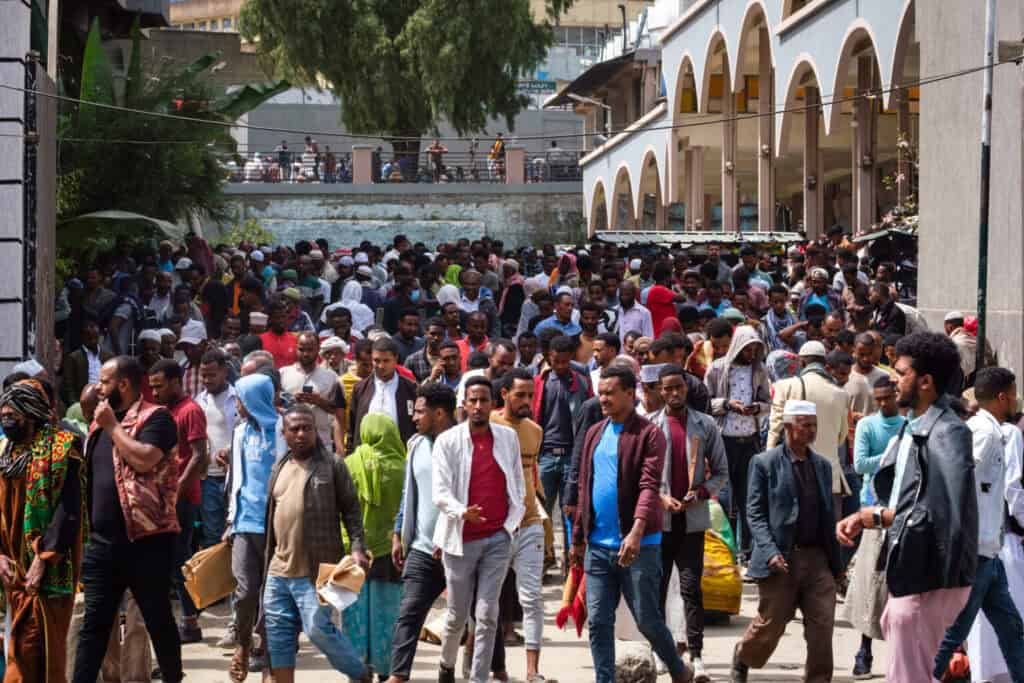
Today, over half of humanity lives in cities.[i] As urbanization grows, more missionaries are living and working in cities. Cities are known for being stressful,[ii] with “too much” of many things like people, traffic, and pollution, and “too little” of other things like green and quiet spaces.[iii] As the Urban Initiatives Coordinator of my mission organization, I have spoken with many missionaries, both inside and outside of my organization, and I have often been asked the question, “How can we deal with the stress of urban life and ministry?”
To investigate this question, I surveyed practicing urban ministers in different cities around the world. This research revealed four key factors behind stress in urban contexts and suggested five effective coping methods for dealing with them.
The results of this survey could be useful for member care of missionaries and as part of a larger, holistic view of mission. Since everyone experiences stress, the strategies from this study could be applied both to missionaries and to those in their home communities.
Contours of the Survey
For this survey, I contacted 60 people by e-mail and received answers from 31 of them in October and November of 2023. The respondents ranged in age from 30 to over 80 and included 27 men and 4 women. All these respondents had five or more years of experience in ministry, with 26 having at least 15 years of urban ministry experience. 24 of the 31 respondents were working in a culture different than their birth culture. The other 7 were working in the country where they were born, but they were working in urban settings with significant cross-cultural ministry components. Respondents ministered in 31 cities (some in more than one city) with populations from 100,000 to over 10 million across six continents. They worked for a wide variety of organizations, including 15 that focus on cross-cultural mission and seven that concentrate on urban ministry with a component of cross-cultural ministry. The survey was limited to those with an evangelical Christian faith and was conducted in English.
I asked the following questions in my survey:
- What stressful issues do you regularly face in urban life? Please list 1–3 issues.
- What stressful issues do you regularly face in urban ministry? Please list 1–3 issues.
- How do you deal with stress in urban life and ministry? Please list 1–3 methods that are effective for you.
- What advice would you give to a new urban minister about how to deal with stress in urban life and ministry?
These questions were intentionally left open-ended, allowing respondents to write as much as they wished. Therefore, answers varied widely, so I needed to group answers together to determine overall results. Collecting the survey data in a spreadsheet, I realized that respondents answered questions 1 and 2 very similarly, as well as questions 3 and 4. So, I decided to combine the first two answers as causes of stress and the last two answers as advice for coping with stress.
Causes of Urban Stress
Respondents reported four general causes of urban stress: overwhelmed senses (mentioned by 25 respondents), relationship difficulties (25), helplessness in the face of needs and injustice (21), and struggle and failure in ministry and life (20).
Overwhelmed Senses
One missionary described urban life as an “assault” on all the senses, including “too much” pollution, noise, and dirt. Another respondent described this as, “the sounds of horns and engines from the streets, those annoying neighbors that have noisy morning rituals on the balcony, dogs barking, and religious chants playing over the loudspeakers.”
Nine people pointed to the overcrowded nature of the city as stressful, which makes one feel “claustrophobic.” Six reported stress from “too little” green space and “too much” of man-made structures. One respondent wrote about stress from feeling watched, including from virtual eyes through social media and cameras around the city.
Further, sixteen respondents noted stress from getting around the city, feeling pressure from the congestion of traffic, and lost time. Slow transportation made it difficult to meet other people and get things done.
Additionally, seven respondents reported stress from fear. Some parts of the city were dangerous due to crime and violence, and this limited travel and ministry.
Finally, the most common reason behind stress in cities, as reported by 17 respondents, was their fast pace and a feeling of “hurriedness.” It is hard to find time when people are available since many people work jobs that are not 9 to 5. One respondent explained that it is difficult to be “a community of joy in a fast-paced life that can rob you of joy and [the] ability to see what is going on around you as opportunities, rather than focusing on getting where you need to go.”
Relationship Difficulties
Another frequent cause of stress arose from difficulties in forming healthy relationships with other people in the city, including family, friends, colleagues, and people in the community. Difficulties in forming good relationships took many forms. As one missionary explained, “It is not always stated out loud by people, but many deal with loneliness. Urban loneliness is difficult because there are people all around, but still so many lack any real community around them.” Many people in cities struggle to develop deep friendships due to busyness, transience, and a general lack of trust.
Eleven respondents cited stress from trying to bring together diverse peoples to form churches. One respondent called this “challenging” and “resulting in tensions,” but “I have to remind myself often that Paul faced the same pressures in Corinth!”
Five respondents noted that forming a good leadership team for ministry can also be stressful. “Getting the right staff in the right jobs going in the right direction” can be difficult in the complex and diverse urban ministry context, and conflict is to be expected. One respondent said calling people into urban ministry is “like asking people to run into a burning building.”
Further, four respondents said that it can be stressful for those who need to adapt to a new city or neighborhood. One respondent explained: “For pastors who are not indigenous to the community, there is stress in being ‘different.’” Respondents mentioned stresses due to cultural, linguistic, class, economic, and even clothing style differences.
Finally, six respondents noted that urban ministers can feel stress due to their families’ needs and imbalances between their personal lives and ministry.
Helplessness in the Face of Needs and Injustice
Many urban ministers noted how overwhelming needs and injustice in the city lead to stress. One respondent explained that “The density of the city means you are confronted by human problems more often and often with more extremes.” As examples, the respondent listed, “Broken marriages/families, job difficulties/loss, financial troubles, emotional/psychological problems, crime (usually people as victims rather than perpetrators).” Other examples included the “broken-windows syndrome” (broken things leading to more brokenness), street homelessness, beggars, drug addiction, violence, the many needs of refugees, and the bad physical health of the poor.
These needs can lead to feelings of helplessness. As one respondent put it, “what you are doing is a ‘drop in the bucket’ when you are dealing with millions of impoverished people in a single urban area.”
Further, ten respondents shared how conflict with authorities was stressful, either due to incompetence or opposition. Respondents noted problems like underperforming schools, restricted access to space for ministry, and urban infrastructure and processes left broken for unreasonable lengths of time.
In some cases, authorities opposed ministry for religious or political reasons. One respondent shared how excessive requirements, or “legal persecution,” by authorities can lead to stress, financial loss, and a bad public image for Christians in urban ministry.
Struggle and Failure
The final area behind stress in the city is struggle and failure, primarily in ministry, but also in life. This kind of stress is inward-focused, feeling that one just isn’t good enough to succeed. Although this area of stress is common in all cross-cultural ministry,[iv] it is important to note that it was highlighted by 20 respondents.
Of those surveyed, ten mentioned that they felt stressed due to unreasonable expectations, whether from others or from themselves. For example, those in Christian ministry can feel responsible for others’ Christian growth. They can also feel like failures as they compare themselves with other Christians and ministries.
Five respondents noted another difficulty. “In cities, there is a heightened competition for people’s time and attention, with a myriad of activities and distractions vying for their airtime.” Some of the attractions of the city can become idols, including success, power, sex, the culture of instant gratification, and “the sweet life.” Competing against these forces can be very stressful.
Additionally, six respondents explained that urban ministry is inherently challenging. As one minister noted, “Transformational progress is slow and complex.” Ministry in urban areas often involves many kinds of problems in different areas all at once, and this complexity is stressful.
Finally, fourteen respondents mentioned financial difficulties causing stress. Urban ministers noted the high cost of living and significant expenses for maintaining a building and doing ministry. One respondent shared, “finances are always a significant stress for inner city pastors: finances to pay their own bills, to pay church expenses, and to care for those in crisis who need relief.”
Advice for Coping with Urban Stress
The second part of the survey gathered advice on dealing with stress, revealing five general coping methods respondents used. These were getting rest (mentioned by 28 respondents), building good relationships with people (27), and with God (25), planning and managing reasonable expectations (21), and managing stressors directly (6).
Rest
Getting rest was the most common advice in the survey. Rest included two helpful elements: being away from sources of stress and providing a space for recovery from stress.
Seventeen respondents emphasized the importance of regular rest, some referring to weekly Sabbath rests and a few adding the idea of regular sabbaticals from ministry. One respondent advised: “Find your own cycle to keep the spiritual saw sharp.”
Further, fifteen respondents mentioned the need for “life-affirming” activities like exercise, walking, reading, listening to music, or fishing. One respondent shared that he liked to
Remind myself of the privilege to serve in a global city and….relax a little, enjoy what the city has to offer (good food, a day at an art exhibit or museum, learning more about the history of where I live and what has and is shaping it).
Another factor in getting rest was location, seeking out green and peaceful places. Twelve suggested occasionally leaving the city. One said, “We try to leave the densely urban areas once per month for a minimum of 12 hours. Seeing greenery, picking apples from trees, and other day trips to the country are therapeutic.”
Alternatively, six respondents suggested finding places of rest within the city. One shared, “Cities are big, but there are places for relaxation and silence – whether it’s a coffee shop, a park, a retreat center, or someplace not too far away to get away to pray, read, sleep, etc.”
Build Relationships with People
Arthur Brooks wrote about the importance of building a “good root system” of relationships that can anchor our lives and enable us to have success over the long haul.[v] These relationships can be with friends, family, and those we interact with in ministry.
Having good, close friendships was mentioned by eighteen respondents as an important support for dealing with stress. One respondent advised, “Having what the Celtic tradition calls a ‘soul friend’ to share with.” Another suggested, “pour into people, not projects.” A third respondent expressed the need to build “a community that cares for one another” to “help create Acts 2 koinonia.”
Eleven respondents advised ways to maintain healthy family relationships. One suggested, “If married, be very honest with spouse about struggles with the context so married stress does not build up to crisis.” Another emphasized the need to “work hard on protecting your marriage (especially the intimacy of it). That seems to go out the door and becomes low priority when living in urban life.” For those doing ministry among the urban poor, one respondent gave the difficult advice: “If you are single, stay single; if you are married without kids, don’t have kids.”
Nine noted the importance of developing a ministry team. One respondent urged, “Build a network of leaders who can be ‘first responders’ – lay leaders who act as deacons in Acts 6 for issues that come up.” Six suggested different measures of accountability to help deal with stress. For example, one respondent shared, “accountability is crucial in such settings, as it can be easy to lose one’s way or become overwhelmed. Church leaders often rely on fellow leaders and mentors for guidance, support, and shared wisdom.” Another respondent declared, “Every Pastor needs a Pastor.”
Additionally, six suggested forming strong relationships outside one’s ministry, especially with those who have more ministry experience. One respondent advised:
Meet up for coffee or even over a meal with someone doing similar ministry — one who understands without having to explain what is going on — to brainstorm ideas of ministry responses, to seek prayerful support, or just to talk about anything other than ministry.
Finally, six respondents gave the general advice to be intentional about building new relationships with both believers and, as one respondent put it, “not yet believers.” Another respondent added, “A city is made up of many individual persons. The more of these that you know, the less you will feel that you are in a hostile environment.”
Strengthen Relationship with God
Having a strong relationship with God can help counteract many sources of stress. Fourteen respondents suggested maintaining a regular time with God. Their recommendations included focusing on contemplation, quietness, prayer, Scripture reading, or personal worship. Eleven respondents emphasized focusing on who God is. Ten proposed focusing on our identity and calling in Christ.
Four respondents suggested remembering God’s promises, including that he is in control, that he is the judge, and that he is building his church. Those doing ministry in the city should focus on those places where God is at work and strive to love people through God’s love flowing through them.
Regarding identity and calling in Christ, four survey respondents encouraged those in urban ministry to avoid “taking on the role of savior.” Recommendations included, “keep[ing] a firm hold on your sense of call,” and “start each day identifying 3 things of gratitude for the gifts I do have.”
Plan and Manage Expectations
Nine respondents wrote about the need to plan for the “long-haul.” One urban missionary emphasized, “The mission needs clarity, but the methods to get there need experimentation.” Both the plans and the potential difficulties should be kept in mind. One warned: “Expect tough times – Saul of Tarsus was told from the beginning ‘what things he must suffer,’ and there will be challenges and problems.”
Five respondents suggested spending time on research and getting involved in the city to plan more effectively. One respondent suggested becoming a “reflective practitioner.” Another encouraged urban missionaries to:
Love the city. Get to know it. Ride the buses, walk the streets. Know the neighborhoods. Exegete your context. Find God in the city. Let the city renew you. Find friends where you live. Work where you live and live where you work.
Further, ten survey respondents made suggestions about how to make good short-term plans. One proposed to “identify a few key daily priorities that would make the day great and do these first.”
Finally, four respondents emphasized managing one’s workload, being willing to say “no.” One shared, “Never do for others what they can/should do for themselves.” Another explained, “Sustained overwork will lead to depression and burnout. I suggest that it is better to work at 90% of your capacity than 100%; 80% is better than 110%; 70% is better than 120%, etc.”
Manage Stressors Directly
The final area of advice was to directly manage sources of stress. Three respondents suggested not fighting with sources of stress but, as one said, “rolling with them.” For example, “learn how to manage the stress that your body is signaling to you.” Or, as another respondent suggested:
Recognize that we pay for things in more than just money. Other currencies are time, quality, effort, relationships, and health. Sometimes it’s worth spending money so that you can save in the other currencies. Discover the things that help you rest and refuel and balance your day to include them.
Finally, one respondent suggested to “flip the stressors upside down,” turning moments of stress into something good. Here are two helpful ideas following that same spirit:
There are a lot of people around me… that can be stressful, but when I need a friend, there is always one close by
Monthly going to a dense part of the city and sitting on a bench or in a busy park and praying for all the people that I watch go by alleviates stress as I trust the Lord for each one, asking him to do what I cannot.
Recommendations
Considering these survey results, I recommend that those in urban ministry be alert for signs of the four general causes of stress: overwhelmed senses, relationship struggles, feelings of helplessness, as well as struggle and failure.
To protect against the effects of stress or to manage it once it is being experienced, five strategies can help. These strategies connect the sources of stress with specific coping methods. First, getting rest can help urban missionaries both avoid and recover from overwhelmed senses. Second, building a good root system of relationships can offer support when dealing with stress from relationship difficulties. Third, a good relationship with God can offer hope when facing feelings of helplessness. Fourth, planning and setting proper expectations can give direction when dealing with struggle and failure. Finally, if these four coping methods helped bring the stressed urban minister from a negative level to “zero,” the fifth coping method of managing stressors directly can perhaps move the minister to a positive place.
If we wish to fruitfully minister in cities, we can take these strategies for stress and add them to the encouragement that God gave Paul in the city of Corinth: “Do not be afraid, but go on speaking and do not be silent, for I am with you, and … I have many people in this city” (Acts 18:10).
[i] UN-Habitat, World Cities Report 2022: Envisaging the Future of Cities (United Nations Settlement Programme, 2022), 9.
[ii] Ben Wilson, Metropolis: A History of the City, Humankind’s Greatest Invention (Doubleday, 2020), 27.
[iii] Paul Keedwell, Headspace: The Psychology of City Living (Aurum Press, 2017), 76, 124, 132, 196.
[iv] Myron Loss, Culture Shock: Dealing with Stress in Cross-Cultural Living (Light and Life Press, 1983), 61–70.
[v] Arthur Brooks, From Strength to Strength: Finding Success, Happiness and Deep Purpose in the Second Half of Life (Portfolio/Penguin, 2022), 113–114.
Dr. John E. White has been a missionary in Ukraine with WorldVenture for over 20 years, having taught at Donetsk Christian University and currently at Ukrainian Evangelical Theological Seminary. His teaching focus has been on cross-cultural and urban mission, as well as the history of mission. John has authored two books: Factors Behind the Ukrainian Evangelical Missionary Surge from 1989 to 1999 and A Stroll Through the Cities of Eurasia.
EMQ, Volume 62, Issue 2. Copyright © 2026 by Missio Nexus. All rights reserved. Not to be reproduced or copied in any form without written permission from Missio Nexus. Email: [email protected].