Walking Toward Wholeness: Solvitur Ambulando and the Practice of Pilgrimage
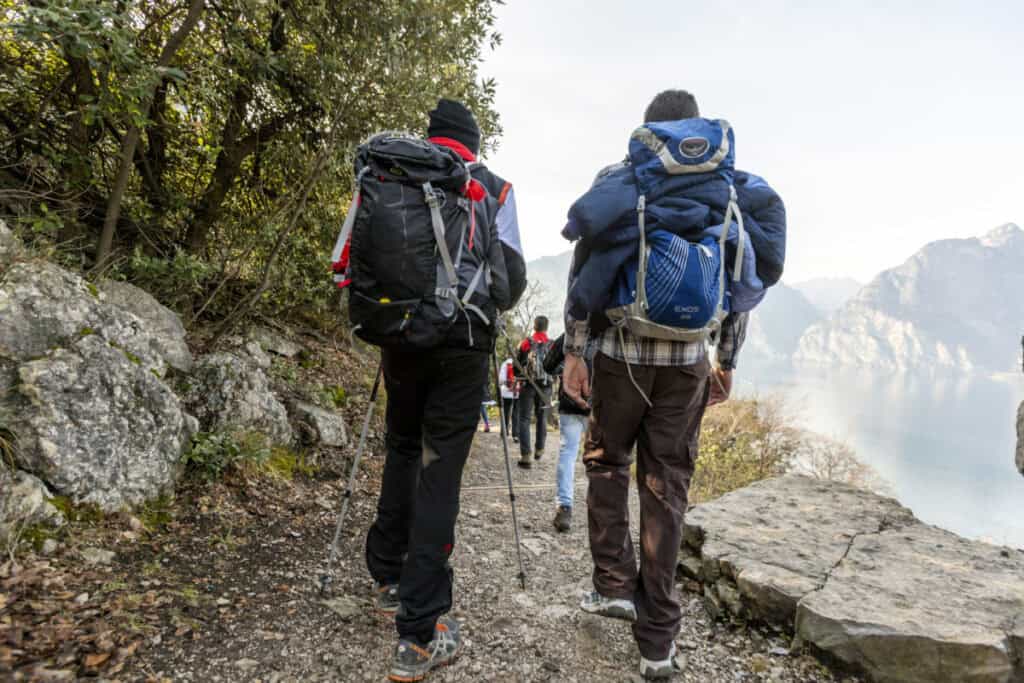
By Greg W. Burch | Stressful and traumatic encounters in mission, humanitarian and justice contexts are on the rise. Pilgrimages provide opportunities to take a break from normal routines and roles. They allow time for extended periods of reflection and vulnerability, individually and in community with others.
EMQ » Oct – Dec 2026 » Volume 62 Issue 4


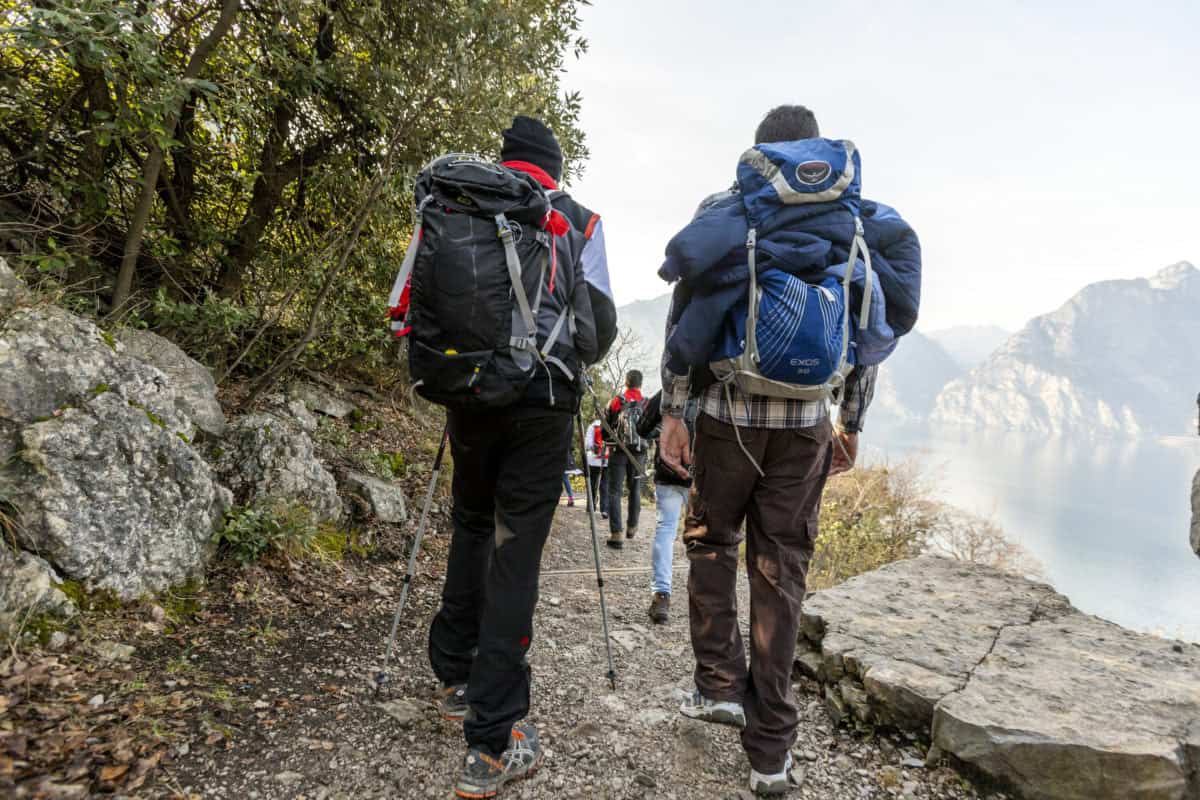
Summary: Stressful and traumatic encounters in mission, humanitarian and justice contexts are on the rise. Pilgrimages provide opportunities to take a break from normal routines and roles. They allow time for extended periods of reflection and vulnerability, individually and in community with others. They also allow people to find liminal space for God and others to speak. Walking pilgrimages are a good way to find restoration and renewal amid the demands of ministry.
By Greg W. Burch
Stressful and traumatic encounters in mission, humanitarian, and justice contexts are nothing to take lightly. Many of my students over the years have followed Jesus into some very challenging ministry contexts. This article discusses opportunities I wish I had been aware of earlier on in my faith and vocation working with children and youth experiencing homelessness. Christian workers supporting victims of crises and systemic injustices around the world are being confronted with harsh conditions as they seek to support some of the most vulnerable. Taking time away from the challenges is important for restoration. Fortunately, many organizations are responding to such needs. Pilgrimage is one option for focusing on soul and personal care.
Solvitur ambulando is a Latin phrase meaning “it is solved by walking.” The phrase provides words for what I have felt deeply in my soul after walking sections of the Camino de Santiago (here after Camino) in northwestern Spain (the Way of St. James in English). The origins of the phrase likely go back to Diogenes of Sinope, the ancient Greek philosopher.[i] Many also attribute the concept to the theologian St. Augustine of Hippo, who used it in a metaphorical sense. He believed that truth must be encountered through action or experience, rather than abstract reasoning.[ii] I find walking, hiking, and doing pilgrimages all provide opportunities to solve life’s great complexities (or at least move me forward in solving such complexities). Walking the Camino is a pilgrimage that is frequently referenced for its positive impact on the lives of those who take the journey.
My experiences on the Camino have proved helpful in my own life. In the few experiences I have had walking the Camino, I have noted patterns of deep ponderings. At other times, no thoughts at all, as I focused on just putting one foot in front of the other. At times, creative thoughts come at a lightning pace. Sometimes, smiles break out on my face, or tears flow. I am surprised by the range of emotions as my mind finds release from contemplating life’s challenges.
The definition of pilgrimage is less obvious than I once imagined. Alan Morinis defines pilgrimage as “a journey undertaken by a person in quest of a place or a state that he or she believes embodies a valued idea.”[iii] For Christians, the purpose is to connect with God and grow in personal relationship with Jesus Christ. Other historians highlight the religious nature of pilgrimaging even more clearly. Richard Barber defines pilgrimage as “a journey resulting from religious causes, externally to a holy site, and internally for spiritual purposes and internal understanding.”[iv] Overall, most scholars refer to pilgrimages as religious experiences. Dave Whitson, pilgrimage guide author and general scholar on the Camino, writes, “Pilgrims are often defined in opposition. Sure, it might be hard to pin down exactly what they are, but we know exactly what they aren’t: tourists.”[v]
Santiago de Compostela has existed as a pilgrimage site for well over 1,000 years. During the medieval period, Santiago de Compostela was one of the three most important Christian pilgrimage sites in the world. Initially, the motivation for such a journey included a desire for plenary indulgence. This indulgence freed a person from penance for their sins.[vi]
Today, the Camino is likely in the top 10 of holy sites frequented by religious devotees (and others) in the world. The pilgrimage involves walking to the Cathedral of Santiago de Compostela in Galicia, Spain. According to legend, the partial remains (relics) of Jesus’ apostle, Saint James the Greater, lie in a silver chest under the cathedral’s main altar.
While there are disagreements about whether Protestants should participate in traditional Catholic pilgrimages, only 40% of the pilgrims on the Camino walk solely for religious purposes. This means people from other faiths and those of non-faith are finding common ground as they explore understanding themselves, God, and the natural world better.
Although the origins of pilgrimage focused on the experience as “a religious act of penance and devotion, the Camino today draws both religious and non-religious pilgrims seeking spiritual, psychological, and existential renewal.”[vii] The numbers have ebbed and flowed over the years. The Pilgrim’s Reception Office in the city of Santiago de Compostela reported 530,919 pilgrims receiving a Compostela (certificate of completion) in 2025. This is a 6% increase over 2024 and 102% higher than 10 years ago.[viii]
Benefits of Walking Pilgrimages
Besides the obvious physical benefits of walking, other benefits include supporting emotional well-being, encouraging creative capacities, and even positive impacts on the elasticity of the brain. The Danish philosopher and theologian, Søren Kierkegaard, once wrote, “Every day, I walk myself into a state of well-being, and walk away from every illness. I have walked myself into my best thoughts, and I know of no thought so burdensome that one cannot walk away from it.”[ix] For Kierkegaard and so many others, walking is the means, the tool, for finding resolution to life’s greatest perplexities.
Walking has a powerful impact on our overall health. Contemporary neuroscience and health research demonstrate the benefits of this activity. Shane O’Mara, professor of experimental brain research at Trinity College Dublin, promotes the cognitive advantages of walking, and highlights physical and mental well-being. He states, “whereas, prolonged sitting, impairs blood flow through the brain, a simple two-minute, low-intensity walk, every half hour has the capacity to largely offset those negative effects.”[x] Walking itself impacts how our brain functions, improves our brain and nervous systems, reduces stress, and boosts mental alertness and creativity. Science demonstrates that walking lowers cortisol levels (stress hormones) and encourages the production of natural mood enhancers known as endorphins. Walking in nature further promotes relaxation and helps us to reduce mental fatigue.[xi]
Toward Wholeness
During a pilgrimage, normal roles and daily routines are suspended. This may be for a few days or up to several months. After my first Camino journey in 2023, I sought to find a way to explain what I experienced. I entered into what I now refer to as white space. Rebecca Solnit describes it as “a state in which the mind, the body, and the world are aligned, as though they were three characters finally in conversation together, three notes suddenly making a chord.”[xii]
When walking includes an intentional openness to divine intervention, the impact can be significant on the pilgrim. This has certainly been the case in my own life. There are many albergues (hostels) that provide outreach for travelers through hospitality, listening sessions, prayer, and contemplative reflection. Many of the traditional Catholic and municipal hostels provide ecumenical outreach to all pilgrims as they have need.[xiii] Several evangelical mission organizations have also begun to provide such pastoral care for pilgrims.
Research on pilgrimage frequently uses the anthropological concept of liminality. Modern life, with few exceptions, prevents many from having opportunities for thinking beyond what they do. It is bound to the daily grind, limiting opportunities to think beyond ourselves. The Camino offers places for people to take time to gain new perspectives on life. Snežana Brumec notes, “More than a religious or touristic endeavor, the Camino creates a liminal environment where individuals may disengage from hyper-competitive norms and re-evaluate their values through embodied movement, solitude, community, and reflection.”[xiv] Researchers are beginning to identify what pilgrims have intuitively known for many years: purposeful walking toward the sacred center offers life-altering revelations.[xv]
Lucrezia Lopez highlighted the transformative effects of the Camino by examining 63 journals published by Italian pilgrims on the internet over the years. Lopez notes thematic patterns with pilgrims describing their pilgrimages as experiences that transformed their lives and priorities. Most pilgrims agree that the Camino has taught them how to live differently and generate a new system of values for their own life journeys.[xvi]
A Case Study – Camino de Finisterre
In the summer of 2025, my wife and I, along with lifelong friends, set out for a 90 kilometer pilgrimage to Finisterre (Fisterra) on the Atlantic coastline. Finisterre was long considered the “end of the world.” It has been the final destination for pilgrims who, after reaching Santiago de Compostela, continued on to the coast to conclude their long walk. It was, in many ways, a pilgrimage beyond the normal pilgrimage to complete the spiritual journey. Those who walked it weren’t just looking for a beautiful view of the ocean; they were seeking something more elusive – closure.
Closure is in short supply in our fast-paced world. Most people rush from one thing to the next, having little space for reflection on their lives or resolution of issues. The Camino route from Santiago de Compostela to Finisterre winds through small Galician towns like Negreira, Olveiroa, and Corcubión, each one offering its own beauty and hospitality.
Toward the end of our Camino journey, we found ourselves walking the long stretch toward the coast, each step bringing us closer to the “end of the world.” For me personally, the hardest day was our fourth day of walking, which we called “the day of sacrifice.” Carrying small crucifixes with us on this day, we pondered the suffering and cost of love. This day turned out to be the most physically challenging day for me. I battled abdominal pain so intense that every step became an act of will to take another step forward. As I gripped the crucifix, I meditated on the pain Jesus bore on the cross and the burdens I have experienced in life. The Camino has a way of pulling out hidden burdens, causing us to face the physical, emotional, and spiritual issues, and inviting us to walk through them rather than around them. Some lessons unfold only with time. The sacred center for me that day was not about visiting a cathedral, but rather the ongoing work of God’s Spirit, reminding me that Christ is sufficient for me.
When we reached the town of Finisterre, we made our way out to the “end of the world” near a lighthouse and cliff that overlooks the Atlantic Ocean. Gathered with nearly a hundred other pilgrims, we watched the sunset and handed over a few of those burdens to God and to the Camino. In that moment, Finisterre became for me a new beginning. It reminded me that every ending has the potential for renewal in my life. As it does with many pilgrims, this renewal continues with me to this day.
Conclusion
Ultimately, walking pilgrimages can help function as developmental environments for those in need of a new perspective and healing. Empirical studies on Camino pilgrims consistently show that participants increase in self-acceptance, compassion, and spiritual awareness after they complete the journey.[xvii] Those working in challenging mission, humanitarian, and justice contexts can benefit from such an opportunity to take a break from normal routines and roles. Pilgrimages allow for extended periods of reflection and vulnerability, individually and in community. They also allow people to find liminal space for God and others to speak. They are a good way to find restoration and renewal amid the demands of ministry.
AI Declaration
AI tools were used for editing purposes and referencing.
[i] Bertrand Russell, A History of Western Philosophy (Routledge, 1946).
[ii] Augustine, Confessions, trans. Henry Chadwick (Oxford University Press, 1991), book 10.
[iii] Alan Morinis, ed., Sacred Journeys: The Anthropology of Pilgrimage (Greenwood Press, 1991), 4.
[iv] Richard Barber, Pilgrimages (Boydell Press, 1993), 1.
[v] Dave Whitson, Pilgrimage: A Medieval Cure for Modern Ills (Impatience Press, 2022), 5.
[vi] American Pilgrims on the Camino, “Statistics for the Camino de Santiago,” January 23, 2026, https://americanpilgrims.org/statistics/.
[vii] Leida Costa, Paula Remoaldo, Eduardo Duque, Hélder Silva Lopes, and Vitor Ribeiro, “A Bibliometric Analysis of the Main Databases of the Way of St. James (1997–2023),” GeoJournal 90, no. 61 (2025): 3.
[viii] American Pilgrims on the Camino, “Statistics for the Camino de Santiago.”
[ix] Søren Kierkegaard, Søren Kierkegaard’s Journals and Papers, vol. 6., ed. and trans. Howard V. Hong and Edna H. Hong (Indiana University Press, 1978), 474–475.
[x] Shane O’Mara, In Praise of Walking: A New Scientific Exploration (Norton, 2020), 1.
[xi] Abrey Bailey, “5 Reasons a Daily Walk Boosts Your Well-Being,” Verywell Health, December 6, 2025, https://www.verywellhealth.com/walking-30-minutes-a-day-8748945.
[xii] Rebecca Solnit, Wanderlust: A History of Walking (Penguin Books, 2001), 5.
[xiii] Piotr Roszak, “From Tourist to Pilgrim: Theological and Pastoral Challenges in the Context of the Camino de Santiago,” Pastoral Psychology 72 (2023): 647–657, https://doi.org/10.1007/s11089-023-01099-3.
[xiv] Snežana Brumec, “Life Changes After the Camino de Santiago Pilgrimage, Including a Deeper Sense of Spirituality,” Journal for the Study of Spirituality, 12, no. 1 (2022): 20–35, https://doi.org/10.1080/20440243.2022.2042948
[xv] Snežana Brumec, “Pilgrimage on the Camino de Santiago as a Path to Repair: Morally Grounded Self-Actualization and Prosocial Value Shifts,” Religions 16, no. 7 (2025): 863, https://doi.org/10.3390/rel16070863.
[xvi] Lucrezia Lopez, “How Long Does the Pilgrimage Tourism Experience to Santiago de Compostela Last?,” International Journal of Religious Tourism and Pilgrimage 1, no. 1 (2013): 1–11, https://doi.org/10.21427/D7C133.
[xvii] Brumec, “Life Changes After the Camino de Santiago Pilgrimage,” 20–35.e Holy Spirit (Harrison House, 2014).
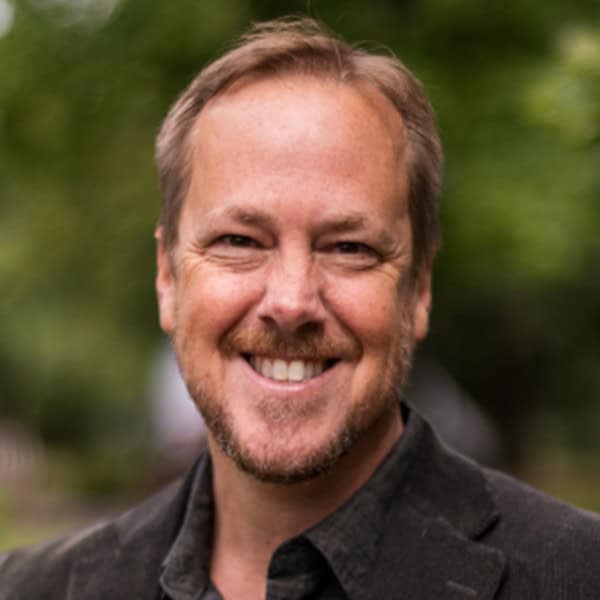
Greg W. Burch, PhD, is associate professor and director for the graduate degree program in Global Development and Justice at Multnomah Biblical Seminary. Burch earned his MA and PhD degrees at Fuller Theological Seminary. Prior to his current role, he lived and worked in Caracas, Venezuela, and San José, Costa Rica, where he served in advocacy and teaching roles in support of vulnerable children and youth. His work and research focus on transformational development topics and pilgrimages. He and his wife Christina have two children and live in Oregon City, Oregon.
EMQ, Volume 62, Issue 4. Copyright © 2026 by Missio Nexus. All rights reserved. Not to be reproduced or copied in any form without written permission from Missio Nexus. Email: [email protected].